

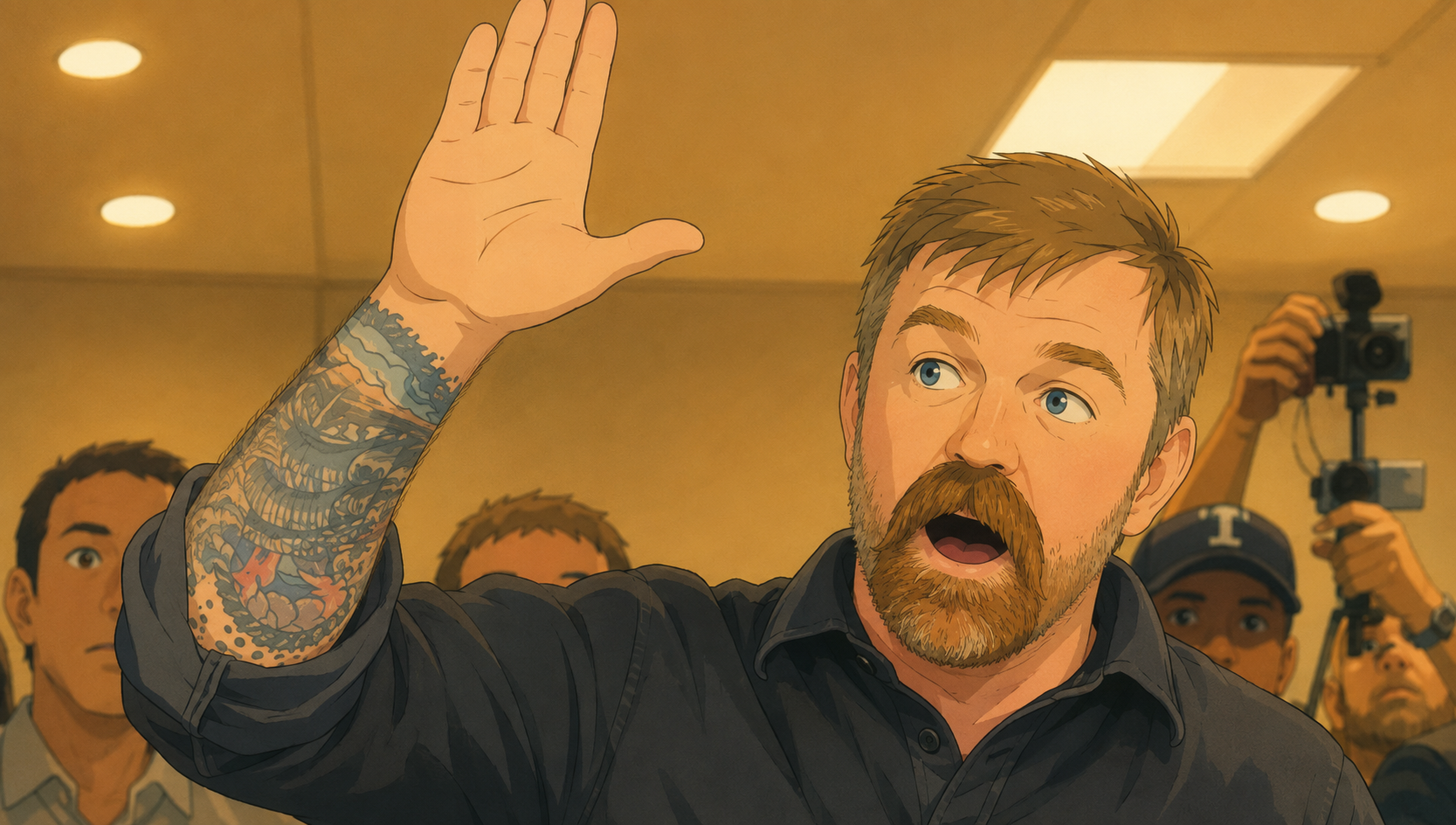
Democrats and their media allies are facing renewed criticism after standing behind Senate candidate Graham Platner despite revelations that he displayed a Nazi tattoo for years.
Now that Platner has been pushed off the ballot following rape allegations, critics say the conversation has suddenly shifted away from the tattoo and toward comparisons with past allegations against President Donald Trump.
Supporters of that argument contend Republicans continued backing Trump despite accusations from E. Jean Carroll. But critics say the comparison misses a key distinction.
The allegations against both men remain disputed. The Nazi tattoo does not.
Photos of Platner’s tattoo have not been disputed, and critics argue Democratic leaders and much of the media initially dismissed or downplayed its significance while continuing to support his candidacy.
The controversy extends beyond the tattoo itself. Platner has also faced scrutiny over inflammatory social media posts and other past conduct, further fueling questions about why party leaders continued to back him.
Now, with Platner out of the race, critics argue Democrats are attempting to redirect attention by reviving old attacks against Trump rather than addressing why a candidate with openly Nazi-related imagery remained acceptable within the party for so long.
The episode has reignited accusations of a political double standard, with critics arguing that if a Republican candidate had displayed a Nazi tattoo for years, the reaction from Democrats and the national media would have been dramatically different.